
The Dopamine and Distraction Trap: Why Your Brain Craves Constant Stimulation
Key Takeaways
- Dopamine is a brain chemical linked to motivation and reward.
- Modern apps and digital platforms are designed to trigger dopamine repeatedly.
- Frequent phone checking can weaken focus and productivity.
- Small daily habits can help reduce digital distractions.
- Training your attention takes time, but consistent routines can restore focus.
Introduction
A small moment happens many times every day.
You sit down to work.
You open your laptop.
You start focusing on a task.
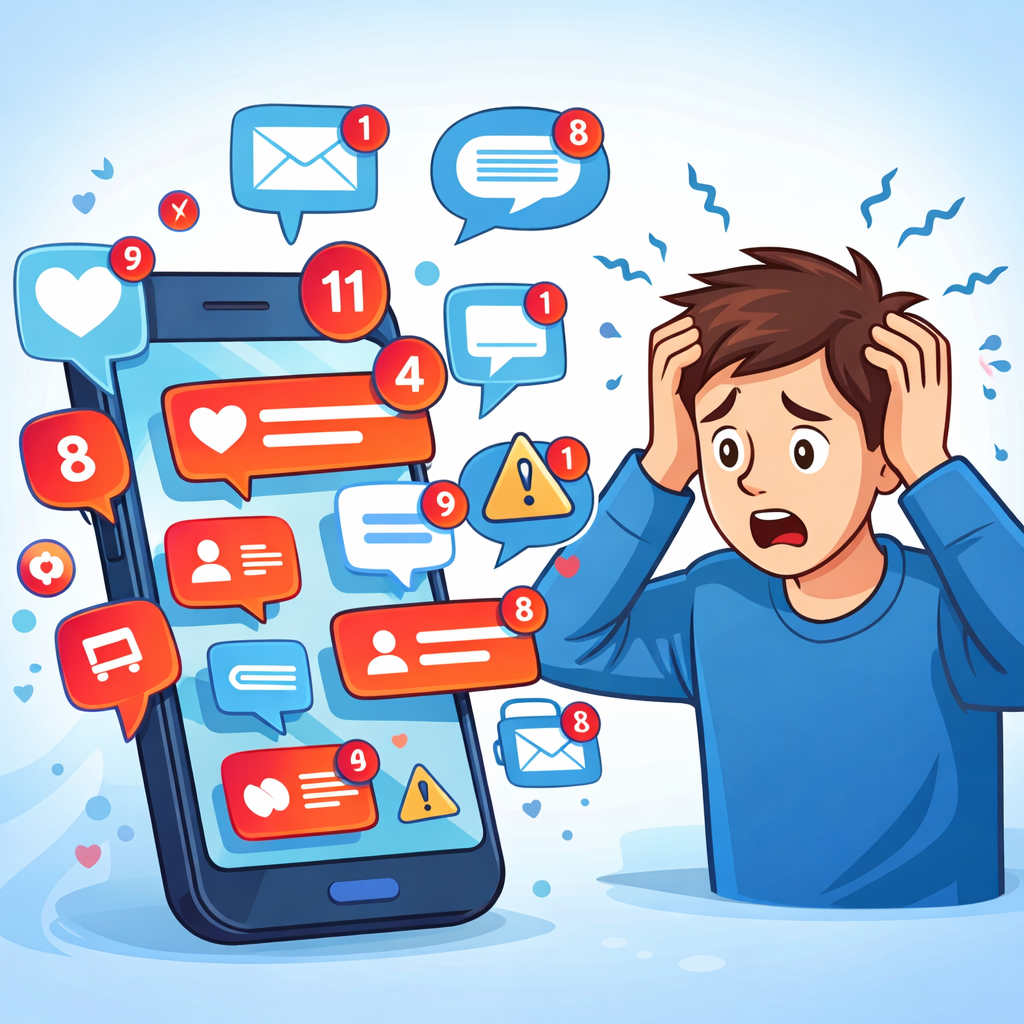
Then your phone vibrates.
You glance at the notification.
It takes only a few seconds.
But those few seconds turn into checking messages, scrolling social media, and reading updates.
Before you realize it, 15 minutes have passed.
This situation is common for students, professionals, and even experienced entrepreneurs. Many people struggle to stay focused even when they want to.
The reason is not simply lack of discipline.
A powerful biological system inside our brain plays a role.
That system involves dopamine, a chemical that helps control motivation, pleasure, and attention.
Understanding how dopamine works can help us understand why distractions feel so tempting.
More importantly, it helps us learn how to regain control of our attention.
What Is Dopamine?
Dopamine is often called the brain’s reward chemical.
This article explores how dopamine drives digital distractions and affects our ability to concentrate.
In this article, we will explore How Dopamine Drives Digital Distractions and its impact on our focus.
However, this description is slightly simplified.
Dopamine is not just about pleasure.
It is strongly connected to motivation and anticipation.
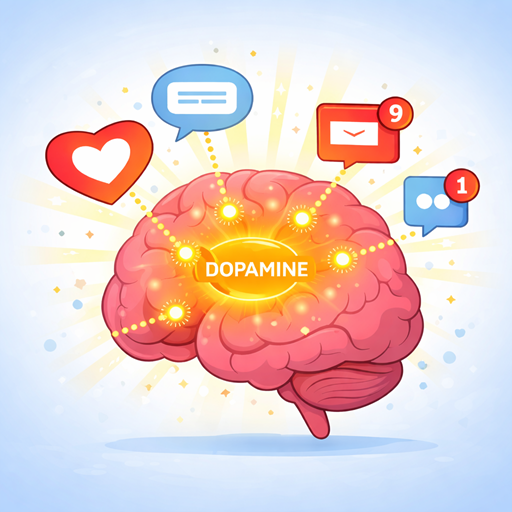
When the brain expects something interesting or rewarding, dopamine levels can increase.
Examples include:
- receiving a message from a friend
- seeing a social media notification
- discovering new information
- completing a task successfully
These small rewards encourage the brain to repeat the behavior.
This system has an important role in everyday life.
It helps people:
- stay motivated
- learn new skills
- pursue goals
- build habits
Without dopamine, it would be difficult to stay motivated to work, study, or improve.
But in the digital age, the same system can also create constant distraction.
Why Digital Apps Trigger Dopamine
Modern technology companies invest heavily in designing platforms that keep users engaged.
Many features are built to capture attention and encourage repeated interaction.
These features often activate the brain’s reward system.
Notifications
Every notification creates a small moment of curiosity.
Your brain wonders:
“What is that message?”
That curiosity can trigger dopamine because your brain anticipates a possible reward.
Even if the message is not important, the brain remembers the anticipation.
This is why people often check their phones automatically.
Social Media Likes
Social media platforms use visible signals such as:
- likes
- comments
- shares
These signals create a feedback loop.
When someone receives positive reactions, the brain experiences a sense of reward.
Over time, people begin checking platforms more often to repeat that feeling.
Infinite Scrolling
Many digital platforms remove natural stopping points.
Instead of pages or limits, users can scroll endlessly.
Each swipe brings new content.
Sometimes it is interesting.
Sometimes it is not.
This unpredictability actually increases engagement because the brain keeps searching for the next rewarding piece of content.
This pattern is similar to other reward-based systems studied in behavioral psychology.
How Dopamine Affects Productivity
When digital distractions constantly interrupt our attention, it becomes difficult to enter a state of deep concentration. Building habits like deep work for productivity can help restore focus and improve the quality of your work.
Digital distractions do not only consume time.
They also affect how the brain handles focus.
When people frequently switch between tasks, the brain experiences attention fragmentation.
This means concentration becomes shorter and more unstable.
For example:
- writing a report
- checking a message
- returning to the report
- opening another notification
Each switch interrupts the brain’s thinking process.
Over time, it becomes harder to maintain deep concentration.
Many people then experience:
- difficulty staying focused
- reduced mental clarity
- slower progress on complex tasks
The challenge is not technology itself.
The challenge is how frequently attention gets interrupted.
Signs You May Be Caught in the Distraction Trap
Many people do not notice how often their attention shifts during the day.
Some common signs include:
- checking the phone without a clear reason
- feeling uncomfortable during quiet moments
- switching between multiple apps frequently
- struggling to finish long tasks
- feeling mentally tired despite working all day
These patterns are becoming increasingly common in modern work environments.
Recognizing them is the first step toward improving focus.
Practical Ways to Break the Dopamine Cycle

Many productivity experts recommend creating distraction-free work sessions. Techniques like deep work allow the brain to focus on meaningful tasks without constant interruptions.
Improving focus does not require completely avoiding technology.
Instead, it requires creating healthier boundaries around attention.
Here are practical methods that many productivity experts recommend.
Turn Off Non-Essential Notifications
Many apps send alerts even when they are not necessary.
Turning off non-essential notifications reduces sudden interruptions.
Important calls or messages can still come through, but unnecessary alerts no longer compete for attention.
Create Phone-Free Work Time
Setting specific periods without phone access can help rebuild concentration.
For example:
- keep the phone in another room during focused work
- use silent mode during important tasks
- check messages at scheduled times instead of constantly
These small changes can significantly reduce distractions.
Use Focus Blocks
Structured work periods help train the brain to stay on one task.
A common method is the focus block approach.
Example structure:
- 60 minutes focused work
- 10–15 minute break
During the focus block:
- avoid social media
- close unnecessary browser tabs
- work on one clear task
Over time, this method strengthens attention control.
Reduce Social Media Consumption
Many people do not realize how much time is spent scrolling.
Simple steps can help:
- remove rarely used apps
- limit usage to specific times of day
- avoid social media during work hours
The goal is not complete elimination but mindful use.
Healthy Activities That Support Dopamine Balance
Not all dopamine-related activities are harmful.
Certain habits support healthy motivation and mental clarity.
Examples include:
- physical exercise
- learning new skills
- creative work
- reading books
- meaningful conversations
These activities provide satisfaction without constant digital stimulation.
They also support long-term focus and productivity.
Expert Tips for Managing Digital Distractions
Tip 1: Design Your Environment
Your environment influences behavior.
Keeping the phone out of sight during focused work reduces the temptation to check it.
Tip 2: Start the Day Without Screens
Many people check their phone immediately after waking up.
Starting the morning with a calm routine instead can improve mental clarity.
For example:
- stretching
- journaling
- planning the day
Tip 3: Track Your Attention
Simply observing how often you switch tasks can reveal hidden patterns.
Some people notice that they check their phone dozens of times per day.
Awareness alone often encourages better habits.
Common Mistakes People Make
Trying to Quit Everything at Once
Sudden digital detox plans often fail because they are too extreme.
Gradual changes tend to be more sustainable.
Replacing One Distraction With Another
Sometimes people reduce phone use but switch to other distractions, such as browsing random websites.
True focus comes from intentional use of attention.
Frequently Asked Questions
1. What is the dopamine distraction trap?
The dopamine distraction trap refers to a cycle where digital platforms repeatedly stimulate the brain’s reward system, encouraging frequent checking and reduced focus.
2. Why do smartphones trigger dopamine?
Smartphones provide unpredictable rewards such as messages, likes, or new content. This anticipation can activate the brain’s reward system.
3. Can digital distractions affect productivity?
Frequent interruptions can break concentration and slow progress on tasks that require deep thinking.
4. How can someone reduce phone distractions?
Turning off unnecessary notifications, scheduling phone-free work time, and creating focus blocks are effective strategies.
5. How long does it take to rebuild focus?
Many people notice improvements in concentration within a few weeks when they consistently reduce digital distractions.
Conclusion
Modern technology provides incredible access to information, communication, and entertainment.
But it also creates a new challenge: constant competition for our attention.
Dopamine plays an important role in motivation and learning. Yet when digital platforms trigger it repeatedly, attention becomes scattered.
The solution is not rejecting technology.
The solution is learning how to use it intentionally.
By reducing unnecessary notifications, creating focused work periods, and building healthy habits, people can gradually restore their ability to concentrate.
In a world filled with distractions, the ability to protect attention becomes one of the most valuable skills.