Introduction: The Day I Realized Marketing Had Changed
A few years ago, a small café in my area was almost empty every evening. Good coffee. Friendly staff. But no crowd.
One day, they started posting short Instagram videos. Nothing fancy. Just behind-the-scenes clips, customer smiles, and new menu items.
They also began replying to every comment. They posted customer reviews in stories. They added their location to every post.
Within three months, the café was full on weekends.
What changed?
Not the coffee.
Not the location.
Just visibility.
That’s the power of digital marketing.
If you are new to this field and feel confused by terms like SEO, PPC, funnels, or analytics — don’t worry. Digital marketing for beginners does not need to be complicated.
Let’s simplify it.
What Is Digital Marketing?
Digital Marketing Explained Simply
Digital marketing means promoting products or services using the internet.
Instead of newspaper ads or TV commercials, you use:
- Websites
- Search engines
- Social media
- Emails
- Online advertisements
It is about reaching the right people at the right time using digital platforms.
That’s it.
Why Digital Marketing Matters More Than Ever
Look at your own behavior.
When you want to:
- Buy something → You search online.
- Compare prices → You check reviews.
- Learn a skill → You watch videos.
- Find a local shop → You open Google Maps.
Customers are already online.
Businesses must follow.
If your business does not appear online, people may assume it does not exist.
That’s the new reality.
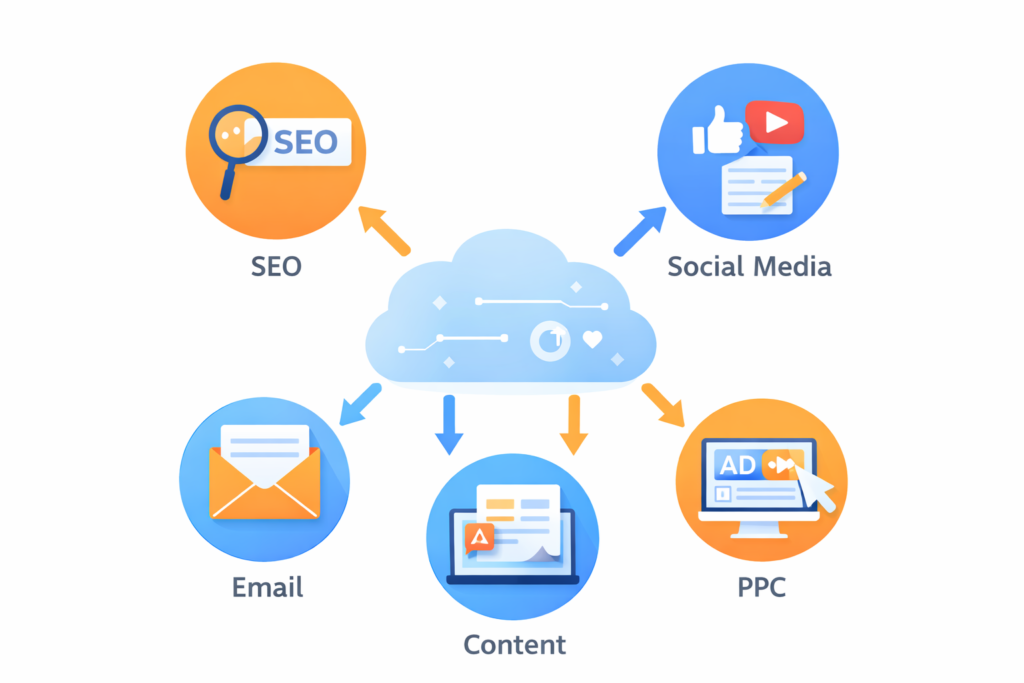
The Core Channels of Digital Marketing
You don’t need to master everything at once.
Let’s break it into simple parts.
1. Search Engine Optimization (SEO)
SEO means improving your website so it appears on Google when someone searches.
Example:
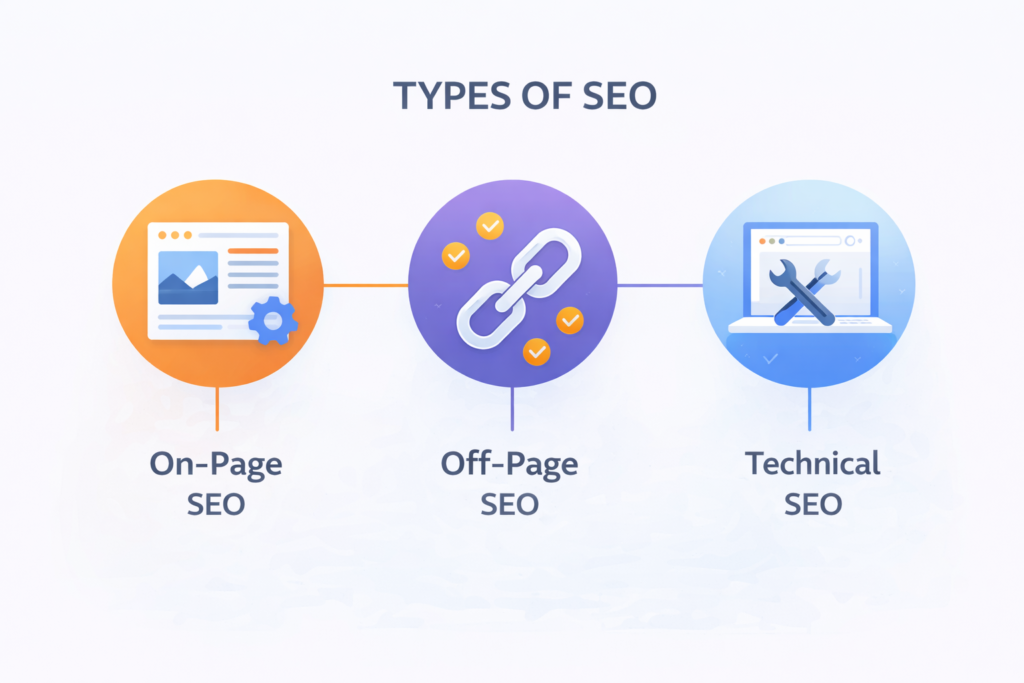
SEO helps websites appear in search engine results when people search for information online. If you want to understand the complete process, you can read our SEO for Beginners guide.
Why SEO Is Powerful
- It brings free traffic.
- It builds long-term visibility.
- People trust organic search results more than ads.
But SEO takes time. Results may take 3–6 months. Beginners must be patient.
2. Social Media Marketing
This includes platforms like Instagram, LinkedIn, Facebook, and YouTube.
Businesses use social media to:
- Build brand awareness
- Educate audience
- Share updates
- Engage directly
For beginners, social media is often the easiest starting point because:
- No technical skills required
- Free to start
- Immediate feedback
But posting randomly does not work. Strategy matters.
3. Content Marketing
Content marketing means creating helpful information.
Examples:
- Blog posts
- Educational videos
- Step-by-step guides
- Case studies
The goal is not direct selling.
The goal is building trust.
When people trust you, they choose you.
This is one of the most important concepts in digital marketing for beginners.
4. Paid Advertising (PPC)
PPC means Pay-Per-Click advertising.
For example, businesses run ads using Google Ads.
You pay only when someone clicks your ad.
Paid ads are useful when:
- You need fast visibility
- You are launching a product
- You want to target specific locations
However, beginners should start with small budgets and test carefully.
5. Email Marketing
Many people think email is outdated.
It is not.
Email allows you to:
- Stay connected
- Share offers
- Provide useful tips
- Build long-term relationships
But email works only when people trust your brand.
Never spam.
How Digital Marketing Actually Works (Beginner Framework)
Many beginners think digital marketing means daily posting.
It is more structured than that.
Here is a simple 4-step framework.
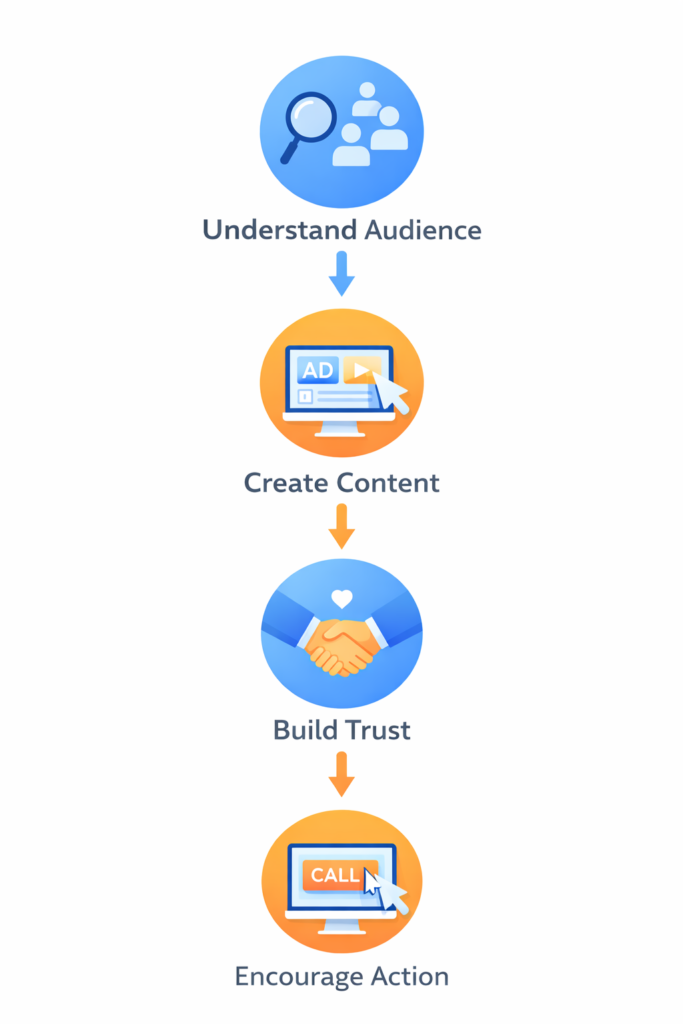
Step 1: Understand Your Audience
Ask:
- Who are they?
- What problems do they face?
- Where do they spend time online?
Without this clarity, marketing becomes guesswork.
Step 2: Create Valuable Content
Content should solve problems.
Example:
If you sell fitness coaching, post:
- Beginner workout routines
- Diet basics
- Motivation tips
Value attracts attention.
Step 3: Build Trust
Trust builds through:
- Consistency
- Testimonials
- Clear communication
- Honest claims
Never exaggerate results.
Trust is slow to build but easy to lose.
Step 4: Encourage Action
Every piece of content should guide users to:
- Subscribe
- Book a call
- Download a guide
- Buy a product
Without clear action steps, traffic does not convert.
Real-World Practical Example
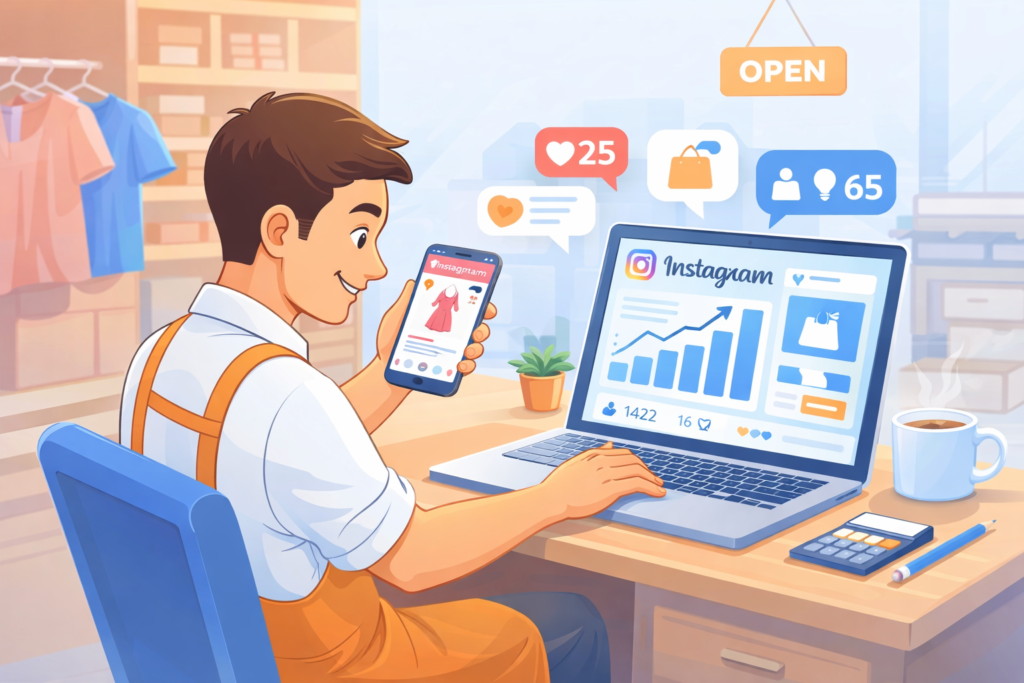
Let’s take a local clothing store.
Instead of waiting for walk-in customers, they:
- Created Instagram page
- Posted daily outfit photos
- Shared styling tips
- Used local hashtags
- Ran small festival ads
Within six months:
- Online inquiries increased
- Repeat customers grew
- WhatsApp orders improved
No big budget.
Just structured effort.
That’s digital marketing in action.
Expert Tips for Beginners
1. Master One Skill First
Choose one:
- SEO
- Social media
- Paid ads
- Content writing
Depth is better than confusion.
2. Learn Basic Analytics
You don’t need advanced reports.
Just understand:
- Where traffic comes from
- Which posts perform better
- What time users engage
Data removes guessing.
3. Improve Communication Skills
Marketing is communication.
Clear writing.
Simple messaging.
Strong headlines.
These skills matter more than expensive tools.
Common Mistakes Beginners Make
1. Trying Everything at Once
Jumping from SEO to YouTube to Ads in one month creates burnout.
Focus wins.
2. Following Trends Blindly
Just because a reel trend is viral does not mean it suits your brand.
Relevance is more important than popularity.
3. Ignoring Brand Identity
Colors, tone, style — consistency matters.
People remember patterns.
4. Expecting Immediate Results
Digital marketing is not instant success.
Growth compounds over time.
Is Digital Marketing a Good Career Option?
Yes, but with realistic expectations.
It is suitable for:
- Students
- Entrepreneurs
- Freelancers
- Career switchers
However:
- Skills matter more than certificates.
- Experience matters more than theory.
- Practice matters more than watching tutorials.
There is demand globally, but competition is also high.
Continuous learning is required.
How to Start Digital Marketing as a Beginner (Practical Roadmap)
Many beginners ask, “Where exactly do I begin?”
Here is a simple 30-day starter roadmap.
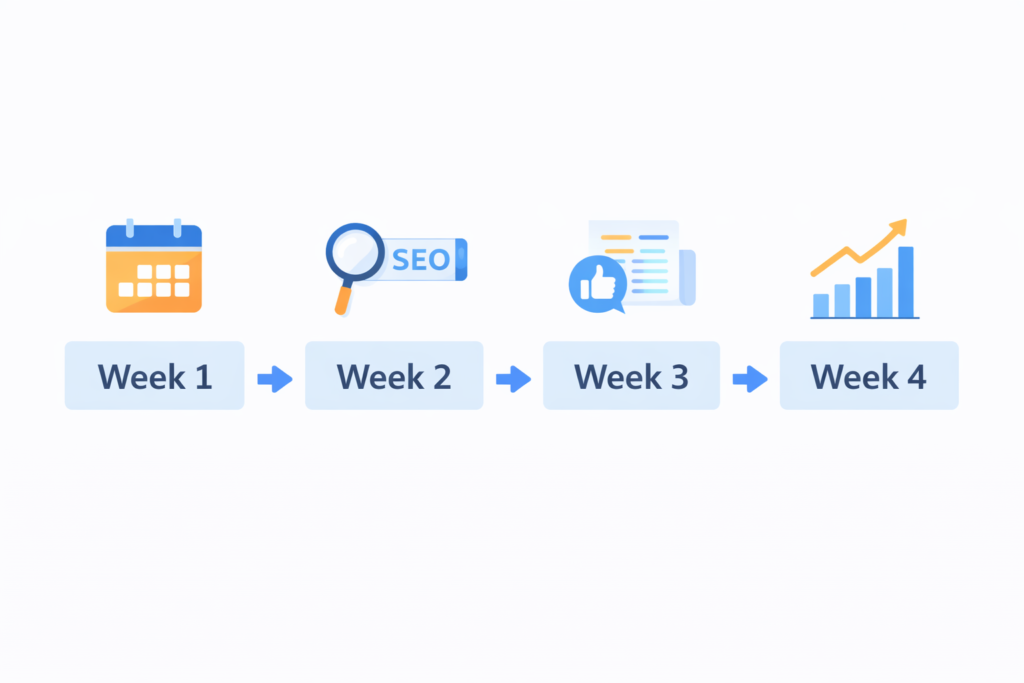
Week 1: Build Your Foundation
- Create a professional Gmail account.
- Open accounts on one social media platform.
- Learn basic concepts of SEO and content writing.
- Study 5 competitors in your niche.
Do not post yet. Observe and learn.
Understanding the market before speaking makes your content stronger.
Week 2: Create and Publish
- Post 3–4 pieces of simple content.
- Focus on solving one small problem.
- Use clear captions.
- Add basic hashtags or keywords.
Do not worry about perfection.
Clarity is more important than design.
Week 3: Analyze and Improve
Now check:
- Which post got more engagement?
- Which topic received comments?
- What time performed better?
Beginner marketers often ignore this step.
But improvement comes from data, not guesswork.
Week 4: Experiment Carefully
Now you can test:
- Small paid advertisement
- Collaboration with a small creator
- Simple lead magnet (like free checklist)
Keep budget small. Track results.
Digital marketing rewards smart testing.
The Long-Term Mindset
One important truth: digital marketing is not about going viral.
It is about building digital assets.
Your:
- Website
- Email list
- Content library
- Audience trust
These are assets.
Over time, they grow in value.
Many people quit after 2–3 months because results look slow.
But digital growth compounds.
Small consistent actions create large outcomes after one year
Frequently Asked Questions (FAQ)
1. How long does it take to see results?
SEO may take months. Social media may show engagement faster. Paid ads can generate quick traffic but require testing.
2. Do I need technical background?
No. Many tools are beginner-friendly. But learning basics improves confidence.
3. Is digital marketing safe for small businesses?
Yes, when done ethically and transparently. Avoid misleading ads or exaggerated claims.
4. How much budget is required to start?
You can start free using organic methods. Paid campaigns depend on goals and industry competition.
5. Can I build a career without a degree?
Yes. Portfolio and skills often matter more than formal qualifications.
Key Takeaways
- Digital marketing is about reaching the right people online using simple tools.
- You don’t need a big budget to start.
- Focus on one channel first instead of trying everything.
- Content, consistency, and data matter more than shortcuts.
- Learn by doing, not just watching videos.
Final Conclusion
Digital marketing for beginners is not technical magic.
It is structured communication in the digital world.
Start with one platform.
Learn your audience.
Create helpful content.
Track results.
Improve slowly.
Do not rush.
The goal is not overnight success.
The goal is steady digital growth.
And anyone willing to stay consistent can build it.